

Sales Leader France & Benelux. Responsable des ventes de licences IBM et solutions AEXIS, du cadrage au licensing, renouvellements et bundles logiciels + services.
La budgétisation et la performance financière ont toujours été au cœur des préoccupations des entreprises. Pourtant, dans un environnement économique en mutation rapide, s'appuyer sur un budget annuel figé n'est plus suffisant. Même lorsque les prévisions sont mises à jour mensuellement, leur horizon se réduit progressivement à mesure que l'année avance. Le Rolling Forecast répond à cette limite en proposant une approche continue de la planification, tournée vers l'avenir et alignée sur la réalité opérationnelle.
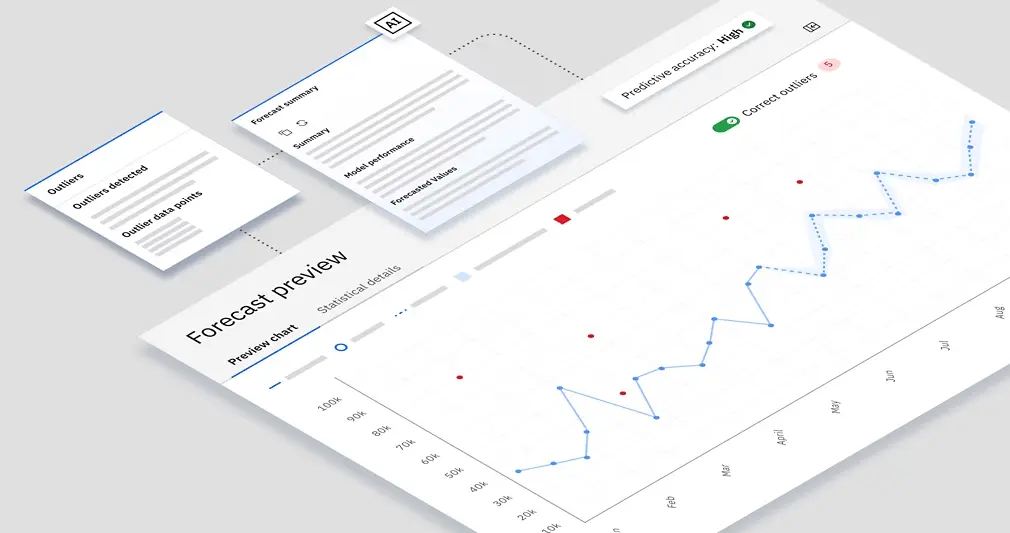
Les limites du budget annuel et des prévisions traditionnelles
Les méthodes traditionnelles de prévision reposent souvent sur des cycles annuels rigides. Une fois le budget validé, il devient difficile de l'adapter aux évolutions du marché, aux changements de stratégie ou aux performances réelles.
Même avec des révisions mensuelles, les entreprises se retrouvent en fin d'exercice avec des prévisions portant sur un horizon très court, limitant leur capacité d'anticipation et de pilotage.
Qu'est-ce qu'un Rolling Forecast ?
Le Rolling Forecast est un processus de planification continue qui consiste à projeter la performance financière sur un horizon fixe, par exemple 12, 18 ou 24 mois, indépendamment de l'année fiscale en cours.
À chaque clôture de période, une nouvelle période est ajoutée à la prévision, garantissant ainsi une vision permanente tournée vers l'avenir et permettant de comparer ces prévisions à un budget annuel si nécessaire.
Pourquoi les entreprises adoptent le Rolling Forecast
Le Rolling Forecast permet d'aligner plus étroitement les prévisions avec la performance réelle de l'entreprise, en intégrant régulièrement les dernières données disponibles.
Cette approche offre une plus grande flexibilité pour réagir aux écarts de performance, aux changements de contexte économique et aux nouvelles priorités stratégiques.
Les bénéfices clés du Rolling Forecast
Les prévisions régulières reflètent plus fidèlement la performance mensuelle de l'entreprise et permettent une prise de décision basée sur des données actualisées.
Le Rolling Forecast favorise une approche prospective, fondée sur les performances actuelles et attendues, plutôt que sur des hypothèses historiques rapidement obsolètes.
Les défis de mise en œuvre d'un Rolling Forecast
Historiquement, la mise en place du Rolling Forecast posait plusieurs défis : adaptation des reportings à un horizon temporel variable, gestion des volumes de données, contrôle des versions et complexité des outils.
Les solutions basées uniquement sur Excel atteignent rapidement leurs limites lorsqu'il s'agit de gérer des prévisions dynamiques, collaboratives et auditables.
Le Rolling Forecast avec une solution EPM unifiée
L'utilisation d'une solution EPM unifiée permet de lever les obstacles traditionnels du Rolling Forecast. Les données financières proviennent d'une source unique, avec des règles communes de conversion de devises, de validation et de consolidation.
Les rapports et formulaires peuvent être conçus de manière dynamique afin de s'adapter automatiquement à l'évolution de l'horizon de planification, sans nécessiter de reconception permanente.
Un levier de pilotage continu de la performance
Le Rolling Forecast ne doit pas être perçu comme un simple exercice de prévision, mais comme un pilier de la gestion continue de la performance.
Pour être pleinement efficace, il doit s'accompagner de processus automatisés, d'outils unifiés et d'une capacité réelle à transformer les prévisions en actions concrètes.
Bonnes pratiques pour réussir un Rolling Forecast
Il est essentiel de sensibiliser les équipes financières aux impacts du Rolling Forecast sur l'analyse des écarts et le reporting, notamment lors des comparaisons avec les exercices précédents.
Plus le cycle économique de l'entreprise est long, plus l'horizon du Rolling Forecast doit être étendu afin de conserver une visibilité suffisante pour piloter efficacement la performance.
Tags
Last updated on May 18, 2026